







Film history has deep roots in the three Baltic countries. One of the titans of modern cinema, Sergei Eisenstein, was born in Riga, Latvia – and while he was born to a Russian family, there is no denying that his childhood in the country shaped him in indelible ways. By that measure alone, the Baltics influenced film history forever.
Though they are small countries, these three nations invest substantially in their film industries (the Estonian government alone invested nearly €20 million in 2025). It’s also a symbolic investment that art matters to the creation of culture. As any PÖFF veteran will know, it’s not uncommon for the most important politicians and business people in Estonia to show face and give out awards at the closing ceremony of the festival. President Alar Karis’s presence in past celebrations of the film festival puts the region’s tremendous appreciation of the industry into perspective. Would Mark Carney ever introduce a film at TIFF? Would Giorgia Meloni ever share a few words at Venice?
This is my third time covering PÖFF, once in-person and twice digitally, and every time I leave with a rekindled love for cinema. I also run the only regular blog in English dedicated to Baltic cinema. Amidst Hollywood trash and declining blockbuster sensibilities worldwide, the film traditions within Lithuania, Latvia, and Estonia seem impervious in their creativity, their resistance to normality, their diverse stories, and their weirdness.
This year’s Baltic Competition Programme features two Latvian, three Estonian, and six Lithuanian titles – a strong balance overall and more or less reflective of the three countries’ population differences with the numerical edge given to Lithuania. This includes three world premieres too in Ignas Jonynas’s Borderline; Alise Zariņa’s Flesh, Blood, Even a Heart; and Paavo Westerberg’s Therapy. Women direct three of the films too, an improvement from the even more masculine programming so common in other major festivals.
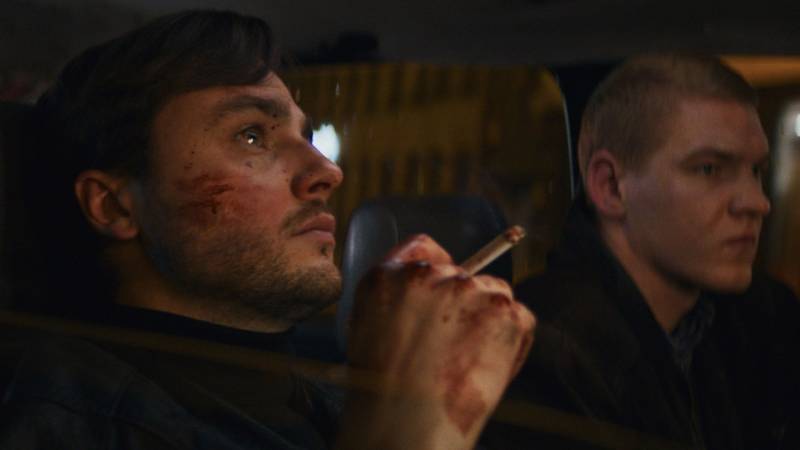
The Latvian crime political thriller Red Code Blue and the Estonian comedy New Money, a sequel to Free Money, both look to be galvanising genre films in their respective categories and wouldn’t surprise me if they become festival highlights. Borderline is set in a shadowy world that combines ornithologists and the mafia; it looks dark and twisted, and if that won’t pique your interest, I’m not sure what will. Set after the murder of one of Lithuania’s most well-known human rights activists and on the eve of the first LGBTQ+ march in Kaunas, the country’s second largest city, The Activist looks to be one of the more timely films with its social justice and right-wing themes.
A handful of the titles are co-produced too, including the Finnish Therapy, which is set in Estonia, and the four-country production Becoming. A Finnish and a Kazakh-British filmmaker, respectively, direct these two films, a symbol of the collaborative nature of Baltic film.
…
.
These are the 11 films of 29th Tallinn Black Nights Film Festival’s Baltic Competition programme. I will be reviewing each one of them individually:


