








Twenty-three-year-old Samim works hard. His duties are multiple: he helps his ailing father in the countryside, while also performing jobs for the fundamentalist regime in the bustling capital of Afghanistan. He is a traffic guard and a policeman, amongst other functions. His job scope is as volatile as the country’s political landscape. The nation of more than 40 million people saw Americans topple the Taliban in the beginning of the century, only for the fundamentalists to return to power four years ago.
The images of widespread destruction are now gone, and Kabul looks like a city beginning to pull itself together. Traffic and commerce look fully operative. Schools are open, and children are playing. Except that there are no female citizens. Women and girls are conspicuous in their absence. The only notable exception is a woman in the back of a cab. Samim is convinced that she’s drunk. She says very little other than she is homeless and has no source of income. Two scrawny girls wonder aimlessly through a snowstorm. They don’t look as happy as the sauntering males. This is no woman’s land.
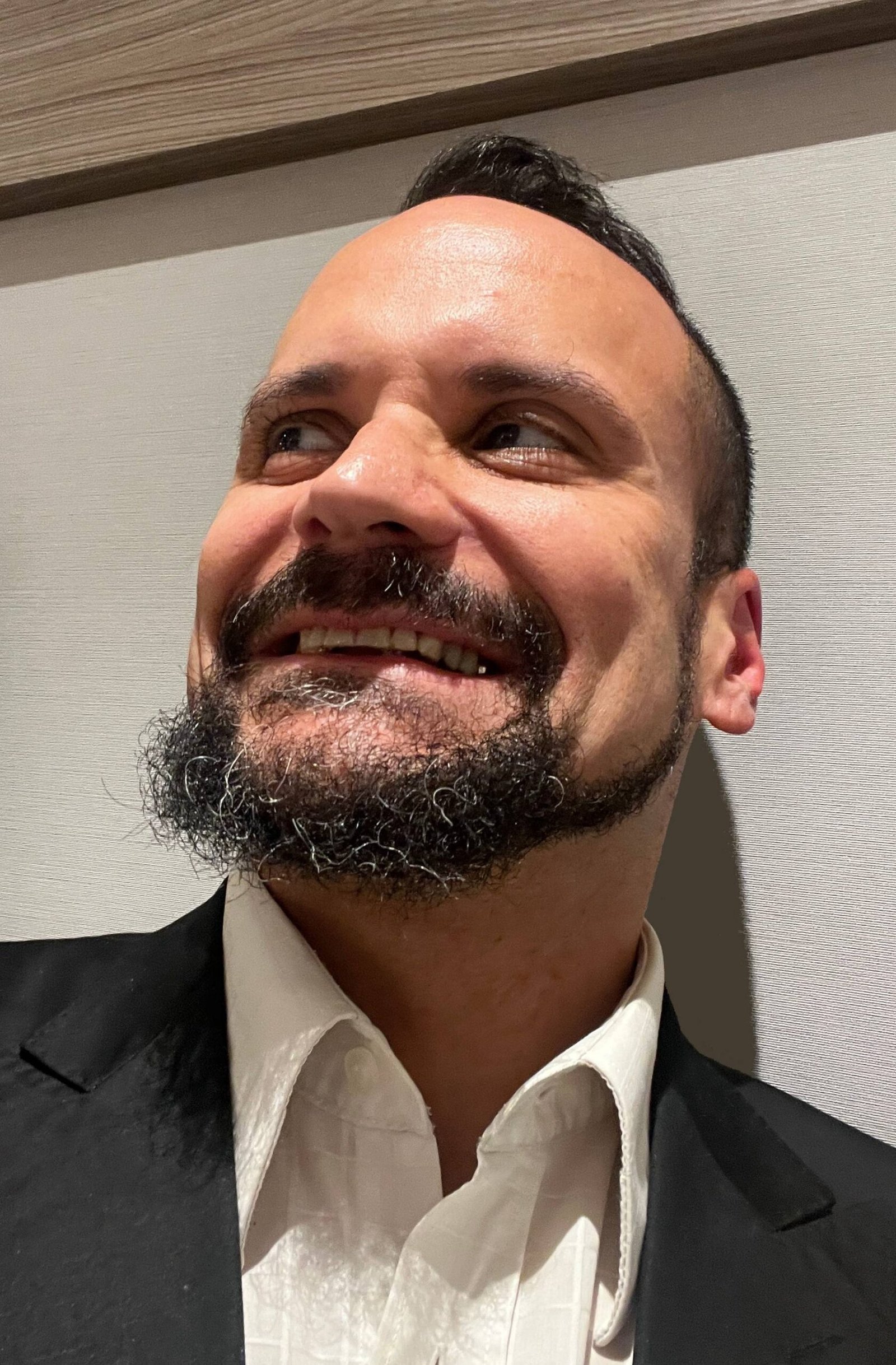
Our smiley protagonist looks like a warm and reasonable man. The doctrine that he repeatedly spews reveals otherwise: he prays that the Islamic State remains safe, that sharia law gets implemented worldwide, and that the suicide bombers achieve martyrdom. His entire existence is shaped by his extreme religious beliefs. He thinks that his masculinity is defined by honour, and that it’s a man’s obligation to fight for Islam to the bitter end. He watches online statements of cheerful suicide bombers with the casualness of your elderly aunt watching cat videos on YouTube. These “martyrs” are their pop stars. Young mean dream of blowing themselves up one day. Explosive instead of naked ambition
While women are not allowed any vanity (in fact, they barely have any visibility), the same rule does not to apply to males. Samim has long, straight and beautiful hair, which he gently combs, and a furry beard, which he enjoys preening. He applies eyeliner ho his eyelids with a firm and confident hand. His two younger brother, 14-year-old Rafi and prepubescent Elyas, see the firstborn as a role model. Rafi can recite entire passages from the Quran without understanding a word of what he’s saying. He is very fond of one particular extract “because it rhymes”. He breaks down with adolescent embarrassment when asked whether he’s in love, in what’s probably the film’s most beautiful sequence (captured in close-up taking heads style). It’s beautiful, heartwarming and also a little uncomfortable. Who would want their child to read out and follow to the letter something they cannot even understand? It becomes clear that religious fundamentalism relies on people’s inability to read, interpret or discern the information that they receive.
The movie’s final moments are also awkward. Samim takes his two brothers to an enormous archeological site. He boasts that Mullah Omar (Osama Bin Laden’s most senior associate) destroyed the temple decades earlier so that people couldn’t pray to a “dirty” Buddha. The three males share intimacy and affection as they bond over a large shotgun (probably a rusty Kalashnikov), in the story’s most humanistic scene. Perhaps just not the ideal excuse for a family reunion in Europe.
Dutch-Afghan filmmaker Aboozar Amini had privileged access to the lives of his characters. He stays firmly behind the camera, allowing his characters to live their lives as usual. The result are spontaneous images. The developments look neither staged not exploitative. This quiet and observational gaze exudes authenticity. And it exposes the casualness of daily life under indoctrination, and the iron fist of the most fundamentalist of regimes. The disturbing element of this viewing experience is that these aspiring suicide bombers look happy. They even seem likeable. Maybe someone you could invite over to your place for a cup of tea?
Kabul, Between Prayers premiered in the 82nd edition of the Venice International Film Festival, when this piece was originally written. This is the second part of a proposed trilogy (the first one being 2018’s Kabul, City in Wind). Also showing in the Tallinn Black Nights.