QUICK’N DIRTY: LIVE FROM TALLINN
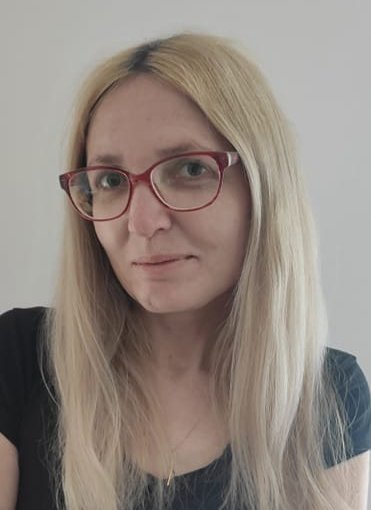
Emerging filmmaker Volia Chajkouskaya has been living in Estonia for eight years. This is where she earned her master’s degree in film, and recently gave birth to a child. Chajkouskaya begins her film – while in the final months of her pregnancy – with a phone call to her mother in Belarus. Mum is deeply worried about daughter and the baby, yet refuses to discuss the political developments back home.
The film continues with childhood photographs of Volia accompanied by her voiceover: her mother taught her to be afraid, and that women were not meant for politics. Volia was born in Belarus, where power has belonged to Alexander Lukashenko since 1994, and she cannot return home because of her activism. Her film is dedicated to Belarusian women involved in politics — and the first among them is the 2020 presidential candidate, Sviatlana Tsikhanouskaya. According to independent exit polls, she actually won that election, but never became president: the “official” results claimed 80 percent support for Lukashenko, often dubbed “Europe’s last dictator”.
What followed were peaceful protests that swept through Belarus and were brutally suppressed. Many opposition members were arrested and imprisoned. The wives of these political prisoners are also featured in Chajkouskaya’s film. One of them, Masha (name changed), remains in Minsk, waiting for her husband’s release and recording video diaries for the filmmaker. Another, Nadya, fled to Estonia, hoping that her husband would one day be freed – which, spoiler alert, happens at the end of the film.
Chajkouskaya’s directorial approach is marked by striking intimacy – she doesn’t observe her subjects from a distance but lives through their pain and hope alongside them. Her camera becomes a silent confidant, capturing trembling voices, quiet tears, and moments of resilience that feel almost too personal to witness. The filmmaker allows herself to be vulnerable too, exposing her own fears, doubts, and longing for her homeland. This intertwining of personal and political, private and collective, gives the film a rare emotional depth: it is not just a chronicle of resistance, but also a confession – of a woman who refuses to separate motherhood from activism, tenderness from courage.
This political and personal manifesto, which speaks openly about the criminal policies of Lukashenko’s regime, could have been an inspiring testament – had the Belarusian protests achieved their goal and overthrown the dictator. If only Sviatlana Tsikhanouskaya had not been broken in 2022, when she recorded an address urging Belarusians to stop protesting. But as the saying goes, you can’t change the lyrics of a song that’s already written.
Today, Tsikhanouskaya insists that she should remain on global headlines. One must “create news” and remind the world of one’s cause. Chajkouskaya’s film, in a way, does exactly that – it serves as a reminder that Belarus once fought back, and that women were the face of its resistance. But now, as Lukashenko’s regime wages a criminal war alongside Russia against Ukraine, the situation in Belarus is entirely different.
Chajkouskaya’s film is a bold and personal statement, ending with her declaration that she was made for politics. Let’s hope that a new generation of Belarusian women and men will eventually succeed in toppling the dictator. For now, though, this film remains only a half-measure.
Not Made for Politics just premiered in the Doc@PÖFF Baltic Competition of the 29th Tallinn Black Nights Film Festival.