QUICK AND DIRTY: LIVE FROM THE RED SEA
Egyptian filmmaker Omar Bakri opts for a black-and-white palette and the almost entire absence of dialogues for his sophomore feature, Abdo & Saneya. The story takes place in the 21st century, nearly 100 years after the first spoken and the first colour movies were released. The director explains that he’s a fan of Charlie Chaplin, and wanted to transpose the magic of the early cinema onto our fast-changing present.
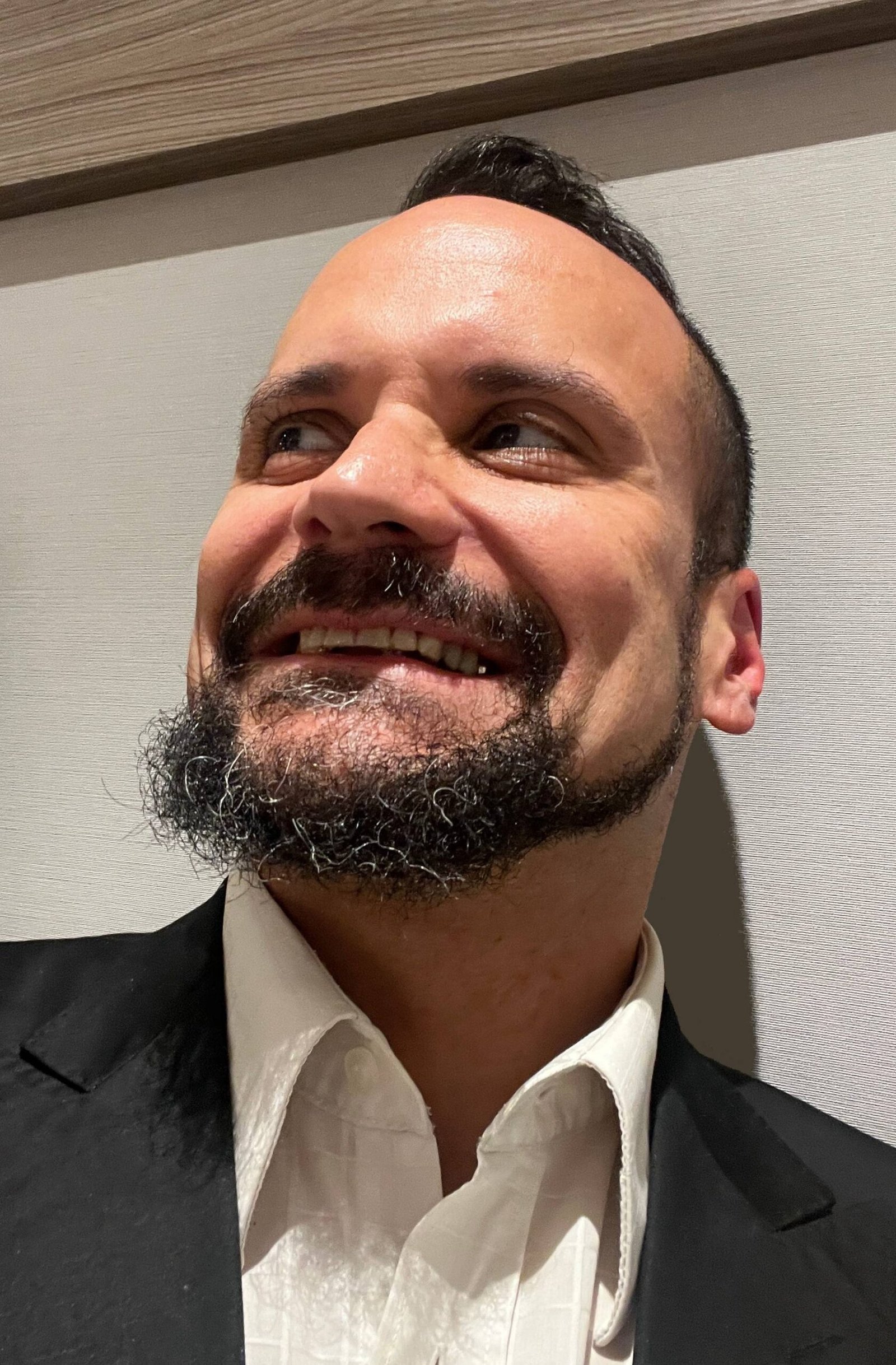
Abdo & Saneya follows the footsteps of a poor farmer and his wife, somewhere in rural Egypt. Despite being married for many years, they are unable to conceive a child. Avuncular Abdo (played by a heavily-moustached version of the director himself) is a loving husband. He would never leave Saneya (Inji El Gammal) just because she is unable to get pregnant (often a game-changer in a society where a woman is perceived as mere object of procreation). So they fly to New York, a menacing metropolis where they neither understand the culture nor speak the language. They can’t even read their own name in the Latin alphabet, preventing them from meeting their intended host at the airport. They become lost in The City That Never Sleeps.
The confusing narrative zigzags back and forth in time, revealing the developments that led to the couple’s departure from Egypt, as well as their misadventures on the other side of the Atlantic. They struggle to find a place to live, finally settling with an empathetic family of Egyptian immigrants. They both attempt to work. Abdo’s first job consists of selling hot dogs, an endeavour abruptly cut work after the stand literally rolls down the road. He also toils in the kitchen of a fast food chain. Meanwhile, the more grounded Saneya sets out to open a Koshari restaurant (the Egyptian national dish, consisting of rice, pasta, lentils, and other ingredients). The images of the past show the couple getting married two years after Saneya’s elder sister, following some protracted mediation. Locals describe Saneya as “evil” due to her perceived inability to conceive a child.
Abdo & Saneya‘s biggest achievement is challenging an old-established orthodoxy, and a taboo that haunts women everywhere. It isn’t just the pressures of marriage and motherhood that they have to bear. The onus of fertility is always on the female partner. It is unconceivable that the reproductive handicap might lie with the male after all. Omar Bakry’s film sets out to challenge this, However simple, this is still an audacious message that will resonate with women in every corner of the world.
On the other hand, the commentary on immigration is far less incisive and enlightening. Abdo & Saney does not say anything revealing about the predicament to Egyptians that moved to the United States in search of better opportunities. This is a story we’ve seen before many times before, and it is told without any particular flair. The biggest problem with Abdo & Saney is that the aesthetic choices are completely disconnected from the plot. In other words, why did this particular story merit a silent film a la Charlie Chaplin? Plus, the acting and the developments are not even remotely reminiscent of British filmmaker. The slapstick devices are extremely scarce. Abdo’s ridiculous moustache is more Borat than Chaplin. The exaggerated facial expressions and the mime-inspired gestures are entirely missing.
While original and with a poignant social message, Abdo & Saney is neither magical nor funny. Neither naughty nor quirky. The technical wizardry is very limited. Not a single frame is worthy of awe. Instead, the entire endeavour just feels like a 21st century movie with the colours and sounds removed for no apparent reason. The images in Egypt are given a very light touch of sepia. That choice also feels a little random.
Abdo & Saneya just premiered in the Arab Spectacular section of the 4th Red Sea International Film Festival.